
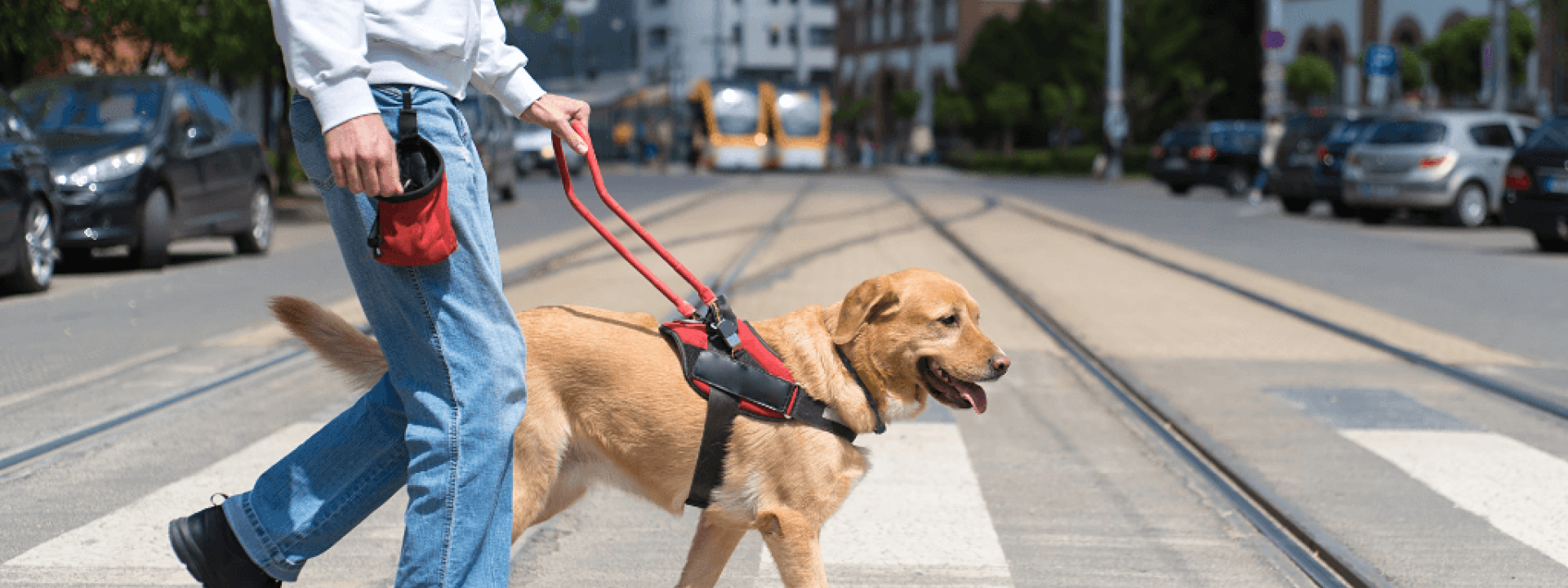
Part of International Assistance Dog Week, held August 1-7 each year, Assistance Dog Day celebrates service dogs and their trainers for the vital roles they play in the lives of individuals with disabilities. Honored on August 4, this day was started by Marcie Davis—an author, radio host, and founder of the Working Like Dogs website who has partnered with service dogs for more than 20 years and is a familiar and powerful voice in advocating for them.
Types of Assistance Dogs
Assistance dogs serve a variety of roles, including guide dogs, hearing dogs, mobility assistance dogs, and medical alert dogs. Individuals working with them rely on their training and quick action, sometimes in situations where safety depends on it. In addition to the crucial role they play in their handlers’ lives, they are also loving companions when they are off duty.
Guide and hearing dogs support:
- People who are blind or have low vision
- People who are deaf or hard of hearing
Medical alert and response dogs can be trained to help with conditions including:
- Seizure disorders such as epilepsy
- Diabetes, by alerting to changes in blood sugar
- Severe allergies, by detecting allergens
- Cardiac conditions that cause fainting or sudden drops in blood pressure
- Post-traumatic stress disorder (PTSD)
- Panic and anxiety disorders
Emotional support dogs provide comfort to people living with:
- Anxiety
- Depression
- Specific phobias
Emotional support animals are not service dogs under the Americans with Disabilities Act, and they do not have the same public access rights, although a licensed mental health professional may recommend one as part of a treatment plan. The American Kennel Club offers a clear explanation of the difference between trained service dogs and emotional support animals.
The Role of Assistance Dogs
To the many people who work with them, assistance dogs are everyday heroes. These specially trained companions are remarkably dedicated to their handlers, and they are largely responsible for the fact that many people with disabilities are able to work, live independently, and navigate the world around them safely. They become cherished members of the family, with mutual love and respect that grows quickly.
The training process is rigorous, and while many breeds can do assistance work, the breed often determines which type of service suits a dog best. Labradors, Golden Retrievers, and crosses of the two are the most commonly trained guide dogs, thanks to their size, biddability, and stable temperament. Smaller, affectionate breeds are often a better fit for emotional support roles, where the job is closeness and comfort rather than physical work.
The results of their training are nothing short of astounding. Mobility assistance dogs help with everyday tasks such as opening drawers and doors, retrieving dropped items, helping with dressing, and providing balance support. Guide dogs help their handlers move safely and confidently—stopping at curbs and stairs, navigating around obstacles, and finding doors and seats. Hearing dogs alert their handlers to sounds such as a ringing telephone, doorbell, smoke alarm, or alarm clock.
Longevity of Assistance Dogs
As veterinarians, we understand the importance of keeping assistance dogs at their peak health so they can continue working alongside their handlers for as long as possible. It’s also imperative that a veterinarian assess a dog’s health before it begins training, as any existing problems could be made worse by the demands of the work. You also want to be confident they are physically capable of the tasks expected of them, which can be difficult for a dog dealing with something like joint pain.
Working dogs also benefit from an honest conversation about retirement. Many assistance dogs work well into their senior years, but declining eyesight, hearing, or mobility eventually affects what they can safely do, and we can help you recognize when it’s time to reduce their workload.
As Assistance Dog Day approaches on August 4, we should all do our part to advocate for these remarkable dogs as well as the trainers who work tirelessly to teach them. If you are interested in applying for an assistance dog, organizations such as Assistance Dogs International can help you find an accredited program near you.
If you are wondering whether an assistance dog might be right for you, or you’d like more information on how to become a trainer or puppy raiser, feel free to give us a call. We’re happy to point you in the right direction!