
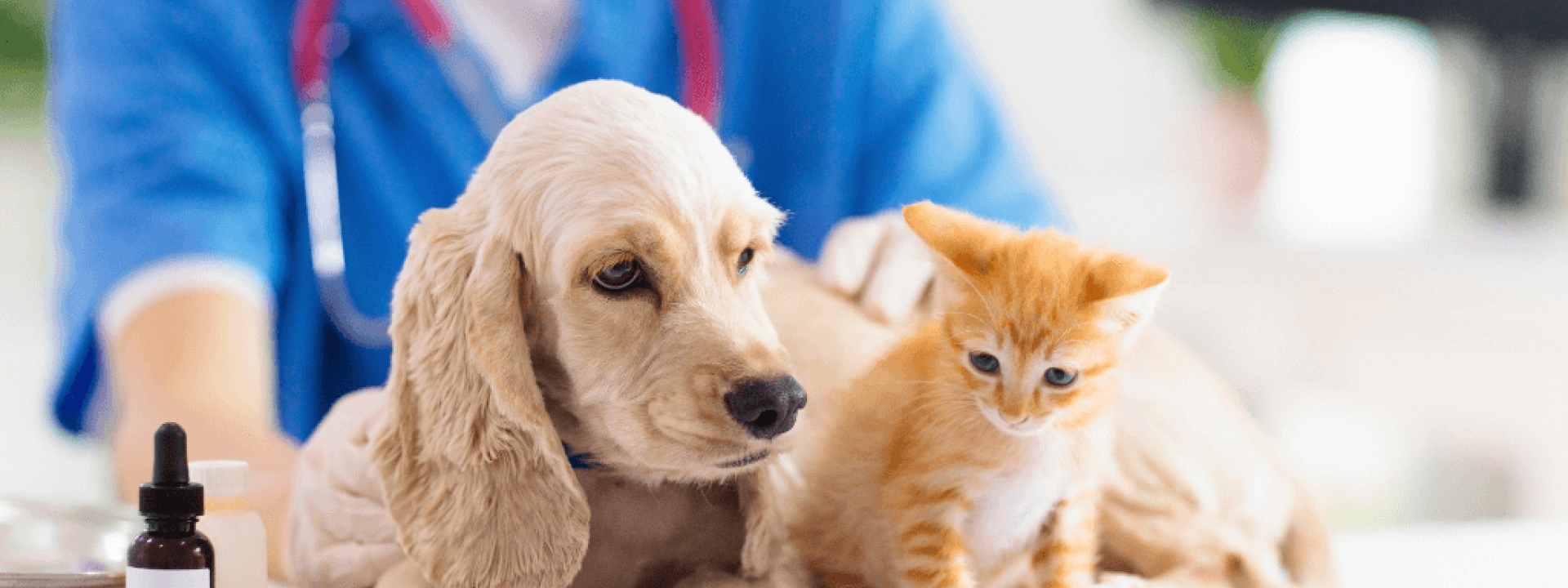
October may be mostly about ghosts and goblins, but it also marks another significant and distinctly less eerie event: National Pet Wellness Month. Keeping up with your dog or cat’s wellness care is an essential part of maintaining their health and helping them enjoy many happy years by your side. And while you probably don’t need a reminder to look after your furry family members, it never hurts to brush up and make sure you’re doing everything you can.
As veterinarians, we believe preventive care is the single most valuable thing we do. That’s why we put together this post with some tips for celebrating National Pet Wellness Month and staying on top of your dog or cat’s routine wellness care all year long.
Provide Appropriate Nutrition
Excess weight is one of the most common problems we see. According to the Association for Pet Obesity Prevention, more than half of dogs and cats in the United States are overweight or obese. Those extra pounds take a real toll—on joints, on mobility, on anesthetic risk, and on how long a pet lives. Feeding an appropriate diet is a crucial part of wellness care, and many people understandably feel overwhelmed by the choices in the pet food aisle. We’re happy to help you make the right nutritional choices for your dog or cat, from selecting a suitable food to working out how much and how often to feed them.
A few things make a real difference. Measure meals rather than estimating them, and treat the guidelines on the bag as a starting point—many pets need less than the label suggests. Keep treats to no more than about 10% of daily calories, and count everything, including what other members of the household hand out. And avoid table scraps: beyond the calories, rich or fatty food can trigger pancreatitis, and some human foods are outright toxic.
When you can’t say no to those pleading eyes, a piece of raw carrot or a green bean makes a good low-calorie alternative to something fatty.
Take Care of Those Chompers
Don’t forget your pet’s teeth. Dental care is often overlooked, and it’s a crucial part of routine wellness. Just like us, pets can be in real discomfort from poor dental health—and because they carry on eating regardless, owners often have no idea anything is wrong. Periodontal disease is extremely common in dogs and cats, and by the age of three most have some degree of it.
Untreated dental disease causes chronic pain, tooth loss, and infection, and bacteria from the mouth entering the bloodstream is associated with changes in other organs, including the heart, kidneys, and liver. The most immediate consequence, though, is simply that a painful mouth is a miserable thing to live with.
Signs worth watching for at home include:
- Bad breath
- Red, swollen, or bleeding gums
- Visible tartar buildup
- Loose or discolored teeth
- Dropping food, chewing on one side, or pawing at the mouth
- Drooling, or blood on toys or in the water bowl
Don’t rely on appetite as a guide—most dogs and cats keep eating through significant dental disease.
We’ll check your pet’s mouth at every wellness exam and let you know when a dental cleaning is due. During that appointment we examine and clean the teeth above and below the gumline under anesthesia, take dental radiographs to see what’s happening at the roots, and deal with any teeth that are beyond saving. Anesthesia is what makes it possible to do the job properly and painlessly—the cleaning offered without it can’t address disease below the gumline, which is where most of the problem lies.
Between appointments, brushing at home is the single most effective thing you can do. Daily is ideal; even a few times a week helps. Use a toothpaste made for pets, never human toothpaste, and look for the Veterinary Oral Health Council seal on dental chews and diets so you know the product has actually been tested.
Exercise, Exercise, Exercise
Regular exercise is good for you and your pet, and it needn’t be a chore. If the usual stroll around the neighborhood has lost its appeal, try playing fetch or setting up a simple obstacle course. Letting your dog stop and sniff on walks is worth more than you might think, too—it’s mentally tiring in a way a brisk march isn’t.
And don’t forget that your cat needs exercise too. Some cats take happily to a harness and leash; others prefer indoor games. Find toys that hold your cat’s interest and make play part of the daily routine—several short sessions work far better than one long one. Wand toys with feathers are a reliable favorite. If you use a laser pointer, finish the session by leading the dot to a toy your cat can actually catch, so the hunt ends in a result rather than in frustration.
If your pet is elderly, significantly overweight, or has joint or breathing problems, talk to us before starting anything new so we can help you build up safely.
Stay Up-to-Date on Parasite Prevention
Mosquitoes, fleas, and ticks are more than a nuisance. Mosquitoes transmit heartworm, which is serious in dogs and has no treatment at all in cats. Fleas cause intense itching and can trigger flea allergy dermatitis, and swallowing an infected flea is how pets get tapeworm—a heavy infestation can even cause anemia in a small animal or a young one. Ticks carry a number of illnesses, including Lyme disease, and some of those are a risk to people in the household as well.
Because the consequences are serious, prevention matters more than treatment. Keep your pet on parasite prevention year-round, not just in summer—fleas survive happily indoors through winter, ticks are active whenever it’s above freezing, and a lapse of a few weeks is enough to leave a gap.
We’d also encourage you to get these products through us or another reputable source. Some over-the-counter products are considerably less effective, and counterfeit versions of veterinary preventives do circulate through online marketplaces. Buying somewhere you trust means the product has been stored correctly, hasn’t expired, and is backed by the manufacturer.
Schedule a Wellness Visit
If it’s been a while since your pet’s last checkup, now is a good time to book one. We’ll make sure they’re up to date on vaccinations and parasite control, and carry out a full examination looking for early signs of trouble—catching an illness early nearly always means a better outcome and a less expensive one.
How often depends on your pet. Puppies and kittens need a series of visits in their first months, healthy adults are generally seen once a year, and older pets benefit from twice-yearly checks, since a lot can change in twelve months at that stage of life. We’ll let you know what suits yours.
When it comes to keeping your pet healthy, there’s nothing better than staying on top of their wellness care. To schedule your cat or dog’s appointment, give us a call today. We look forward to hearing from you.